
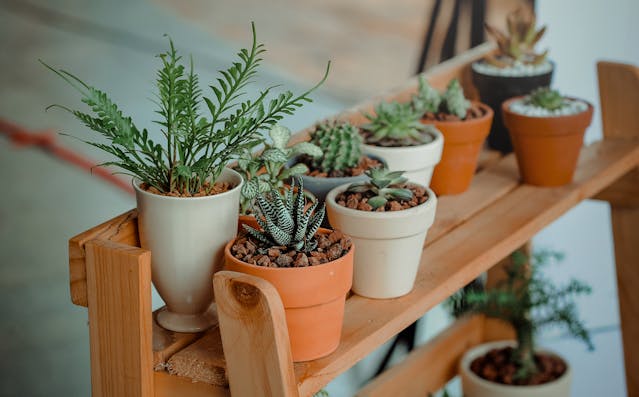
Although there are many benefits to apartment living — such as ease of access to restaurants, safety, closeness to metro stations — one disadvantage may be that there tend not to be enough windows to let natural daylight into the apartment throughout the day. Fortunately, you do not need a large balcony with lots of sunshine to create a green indoor environment — it can easily be done with the proper type of plant material and knowledge.
There are many types of plants that are suitable for this type of indoor environment since most will have adjusted to living under the canopy of trees in forested areas and therefore have little problem thriving in less than bright areas. If you’re looking for motivation, Hello Botanical’s collection showcases a lot of indoor plants that do Australian homes, including those with little light.
Why Some Plants Thrive in Low Light
Many low-light plants are natives of tropical rainforests, where sunlight is blocked by thick layers of trees, and they receive indirect sunlight rather than direct sunlight. Many people live in apartments with minimal sunlight, so they receive indirect sunlight.
Typical characteristics of low-light plants include:
- Wide leaves to trap light to grow.
- Slower growth rates.
- Greater tolerance of variable amounts of light.
This natural adaptability will help you choose the correct type of plants for places with low light, such as corners or rooms with few windows.
The Best Low-Light House Plants for Apartments
- Snake Plant (Sansevieria)
It is usually called “mother-in-law’s tongue”. It is the forgiving indoor plants. It handles low light, uneven watering, and even dry air. Why it’s ideal for apartments:
- Thrives in shade or indirect light
- Requires minimal watering
- Compact footprint
It’s also known for helping improve indoor air quality. It is a bonus in smaller living spaces.
- ZZ Plant (Zamioculcas zamiifolia)
The ZZ plant is nearly unbreakable. Its shiny, dark green leaves reflect the minimal amount of light available, making it perfect for dark living rooms or hallways.
- Extremely low-light tolerant
- Drought resistant
- Grows slowly and remains tidy
If you tend to travel frequently or struggle to remember to water your plants, the ZZ plant is an excellent choice.
- Peace Lily (Spathiphyllum)
Peace lilies are one of the few low-light plants that produce beautiful white flowers inside your apartment. Although they prefer indirect light, peace lilies can tolerate lower levels of light better than many other flowering houseplants.
- Adds softness and brightens up a room
- Will tell you when it needs to be watered
- Can help purify the air
To grow a peace lily, place it by a window with sheer curtains for optimal results.
- Pothos (Epipremnum aureum)
Pothos is an excellent trailing houseplant for people living in apartments due to its ability to thrive in low-to-moderate light, its beautiful cascading displays from shelves, hanging baskets, or bookcases, and its many possible uses, such as adding vertical plant life without taking up valuable floor space.
- Grows well in shaded spaces
- Easy to propagate
Its trailing vines can chill tough apartment lines and make close rooms feel more inviting.
- Cast Iron Plant (Aspidistra elatior)
The cast iron plant is an extremely tough houseplant that can survive neglect, thrive under low-light conditions, and withstand fluctuating temperatures. The cast iron plant is perfect for the following situations:
- Shaded areas.
- Entryway areas.
- Rooms with little or no window exposure.
Because this plant grows very slowly, there is minimal maintenance needed.
- Chinese Evergreen (Aglaonema)
Chinese evergreens are widely known for their beautiful patterned foliage, and their holds up under almost any condition; from very low levels of light, to many varieties being available with silver, green, and pink patterned leaves. The following attributes make this plant a perfect candidate for apartments:
- They can adapt to artificial light and are perfect for low-light situations.
- They have a compact design, making them decorative yet space-efficient.
- They require little maintenance.
These characteristics make this plant a great way to bring some colour into otherwise dark spaces without requiring a large amount of sun to do so.
Tips for Success in Low-Light Apartments
Strong, healthy plants are only as good as how well they are arranged and cared for. So, let’s take a look at how to give your apartment plants the best chance at thriving:
- Every plant needs light to survive. Generally speaking, low-light/indirect sunlight is defined as a room that receives natural light but does not receive direct sunlight. If your room has limited natural light, consider moving or rotating your plants into a lighted area now and then.
- Plants grow more slowly when growing in low-light environments, so they utilize less water. One of the primary reasons why plants die within a given space is due to overwatering. Therefore, I always recommend checking the soil before watering.
- Using light-coloured walls, mirrors, and glossy surfaces allows you to reflect light throughout the room in order to create better growing conditions.
- In the event you have limited natural light, look into adding discreet and compact grow lights to supplement your plants’ needs.
Styling Low-Light Plants in Apartments
In addition to their biological requirements, low-light plants can also greatly enhance the overall feel of an apartment setting:
- Trailers create visual movement.
- ZZ plant adds height without adding bulk to an area.
- Many low-light plants prefer humidity.
- Small plants are perfect for setting up in bedrooms.
Even a single properly placed plant may help soften the lines of a room, reducing visual confusion and giving a room a calming effect.
Creating a green apartment sanctuary
Indoor plants can thrive in apartments even if they do not have access to floor-to-ceiling windows or balcony gardens by using species that naturally tolerate low light and modifying your care practices to accommodate those conditions. Low-light plants are resilient, stylish, and forgiving of you and your busy schedule, making them an excellent choice for those living in small spaces.
By carefully selecting the right types of low-light plants for your specific environment and using simple care techniques, you can create a lush and vibrant apartment, regardless of how much sunlight it receives.
